
mold
Illness
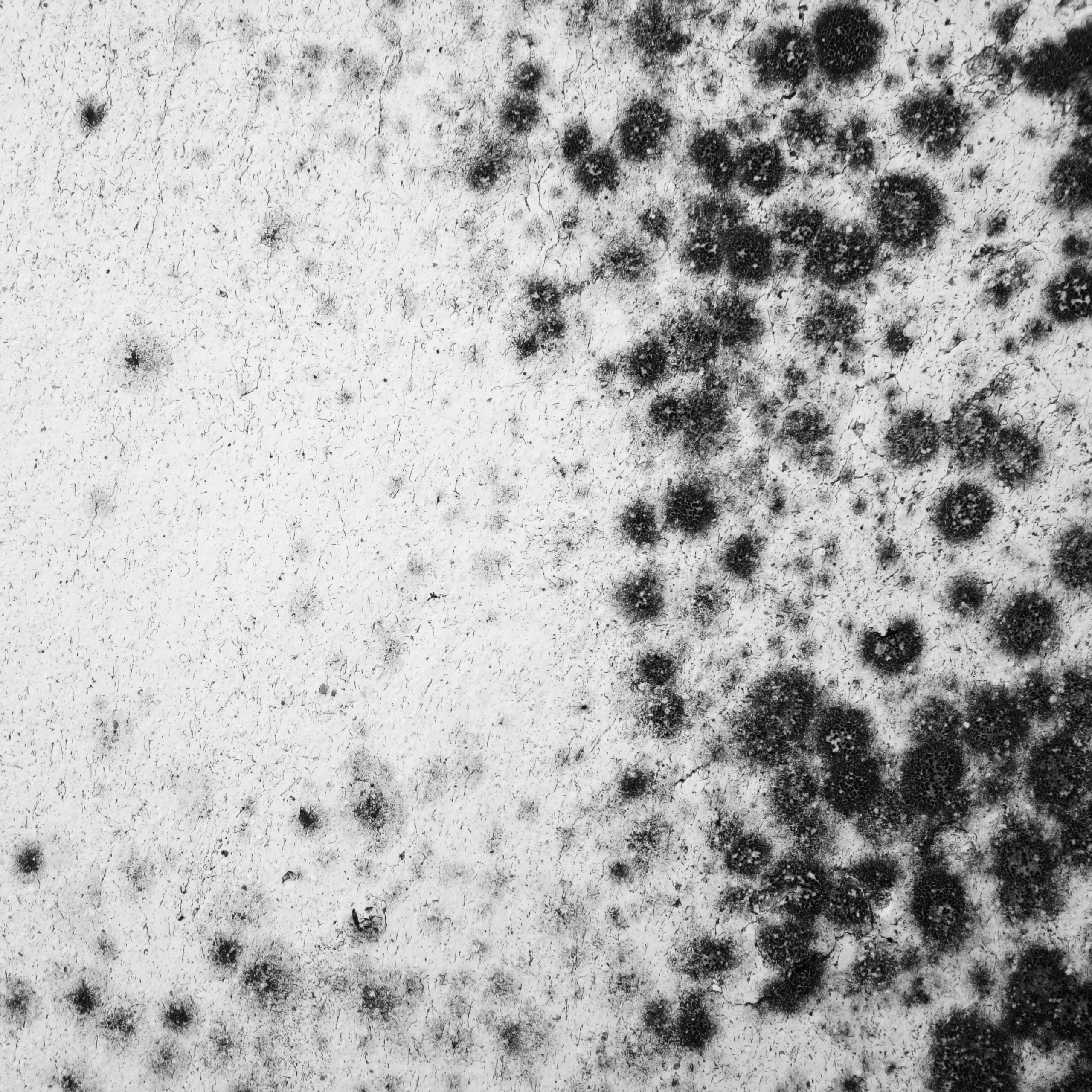
Understanding Chronic Mold Illness
Chronic mold illness represents a dysfunctional immune response to mold toxins (mycotoxins)–one of the biotoxins representing Chronic Inflammatory Response Syndrome (CIRS), a multi-system, multi-symptom illness. Exposure is most commonly from water-damaged buildings. If you’ve been sick and no one can tell you why, you’re not alone.
A Real Illness with a Clear Mechanism
CIRS is not an allergy. It’s a systemic inflammatory condition triggered by biotoxin exposure in genetically susceptible individuals who cannot properly clear these toxins.

Chronic Inflammatory Response Syndrome (CIRS) was first characterized by Dr. Ritchie Shoemaker and is defined as an acute and chronic systemic inflammatory response acquired following exposure to the interior of water-damaged buildings, including those with resident toxigenic organisms such as fungi, bacteria, actinomycetes, and mycobacteria, as well as inflammagens like endotoxins, beta glucans, hemolysins, proteinases, mannans, and possibly spirocyclic drimanes.
In genetically susceptible individuals — roughly 24% of the population carrying certain HLA-DR haplotypes — the immune system fails to recognize and clear biotoxins. This sets off a chronic, self-perpetuating cycle of inflammation that affects virtually every organ system.
Because symptoms span so many body systems and routine labs often appear normal, patients are frequently misdiagnosed with conditions like fibromyalgia, chronic fatigue syndrome, depression, or anxiety — or they’re simply told nothing is wrong.
A Multi-System Illness
CIRS affects nearly every body system. Symptoms often fluctuate in severity and can be triggered or worsened by re-exposure to water-damaged environments.
Fatigue & Pain
Chronic, debilitating fatigue unrelieved by sleep, headaches, morning stiffness, muscle cramps, and widespread musculoskeletal pain.
Cognitive
Brain fog, difficulty concentrating, word-finding problems, impaired short-term memory, disorientation, and difficulty assimilating new information.
Neurological
Numbness, tingling, tremors, vertigo, metallic taste, sensitivity to light, blurred vision, night sweats, and temperature dysregulation.

Mood & Sleep
Anxiety, depression, mood swings, irritability, insomnia, non-restorative sleep, and emotional changes out of proportion to circumstances.
Respiratory & Sinus
Chronic sinus congestion, persistent cough, air hunger, recurrent respiratory infections, and difficulty taking a full breath.
Autonomic & MCAS
POTS, temperature dysregulation, gastrointestinal motility issues, reactivity to foods and chemicals (mast cell activation).
Diagnosis of Chronic Mold Illness (CIRS)
A variety of diagnostic tools are used to identify this condition
Clinical History & Symptom Screening
We begin with a detailed exposure history and the validated Biotoxin Pathway symptom cluster analysis. Patients with CIRS typically present with symptoms in eight or more of the thirteen identified clusters.
Visual Contrast Sensitivity (VCS) Test
A non-invasive functional vision test that measures the ability to detect subtle changes in contrast. Biotoxin exposure impairs small-fiber nerve function in ways that show up in VCS screening with high sensitivity.
Laboratory Data
Start with a urine mycotoxin test, looking for high levels of mycotoxins in the urine. Sometimes other biomarkers are examined, such as MSH, VIP, MMP-9, TGF-β1, C4a, VEGF, ADH/osmolality, leptin, and cortisol. These markers reveal the specific inflammatory cascades at work in your body.
NeuroQuant® MRI Analysis
A specialized volumetric MRI analysis that measures the size of specific brain structures. CIRS patients often show characteristic patterns of atrophy or swelling in the caudate nucleus, putamen, and other regions.
The Path to Recovery
Treatment follows a sequential, step-by-step protocol, including:
- Removing from Exposure
- Biotixin Binding
- Correcting Systems Dysfunction
- Restoring Immune Function
. Each phase builds on the last to systematically reduce inflammation, clear biotoxins, and restore normal immune function. Each patient’s protocol is individualized based on their specific biomarker results and clinical presentation.
Remove from Exposure
Recovery cannot begin while exposure continues. We guide patients through proper environmental testing (including professional mold inspection and ERMI/HERTSMI-2 evaluations) and, then remediation to ensure their living and working environments are safe.
Biotoxin Binding
A variety of oral binders are used to bind biotoxins circulating through enterohepatic recirculation. This includes pharmaceutical and nutraceutical binders, which prevent toxin reabsorption and facilitates elimination through the GI tract.
Correct Systems Dysfunction
Even after mycotoxin removal, body system dysfunction may not self-correct. Thus, we identify the still-broken systems and start effective repair–to retore optimal health.
Immune Restoration & Maintenance
Immune dysfuction is a primary area of dysfunction, and is always addressed, both to return to baseline function and to assure appropriate immune response to future mold exposures.