
Therapeutic Plasma exchange for long-covid
Scientific Rationale
Why Therapeutic Plasma Exchange (TPE) has Been Explored for Long COVID
Long COVID — formally designated as Post-Acute Sequaelae of SARS-CoV-2 (PASC) — is a complex, multisystem syndrome that can persist for months or years following SARS-CoV-2 infection. Researchers have identified several pathophysiological mechanisms that provided the scientific basis for exploring TPE as a therapeutic intervention.
- Autoantibody Formation
Studies have identified functionally active autoantibodies in Long COVID patients, including those targeting G-protein-coupled receptors (GPCRs) such as adrenergic and angiotensin receptors. These autoantibodies may disrupt normal cellular signaling and contribute to symptoms like fatigue, tachycardia, and cognitive impairment. - Fibrin Amyloid Microclots
Researchers have documented the presence of anomalous, fibrinolysis-resistant amyloid fibrin microclots in the plasma of Long COVID patients. These microclots may obstruct capillaries, impairing oxygen exchange and contributing to fatigue, brain fog, and exercise intolerance. - Persistent Inflammatory Milieu
Elevated levels of inflammatory cytokines, immune complexes, and endothelial activation markers — including von Willebrand factor, E-selectin, and serum amyloid A — have been observed in Long COVID patients, suggesting an ongoing pro-inflammatory state that TPE could theoretically help clear. - Viral Persistence Hypothesis
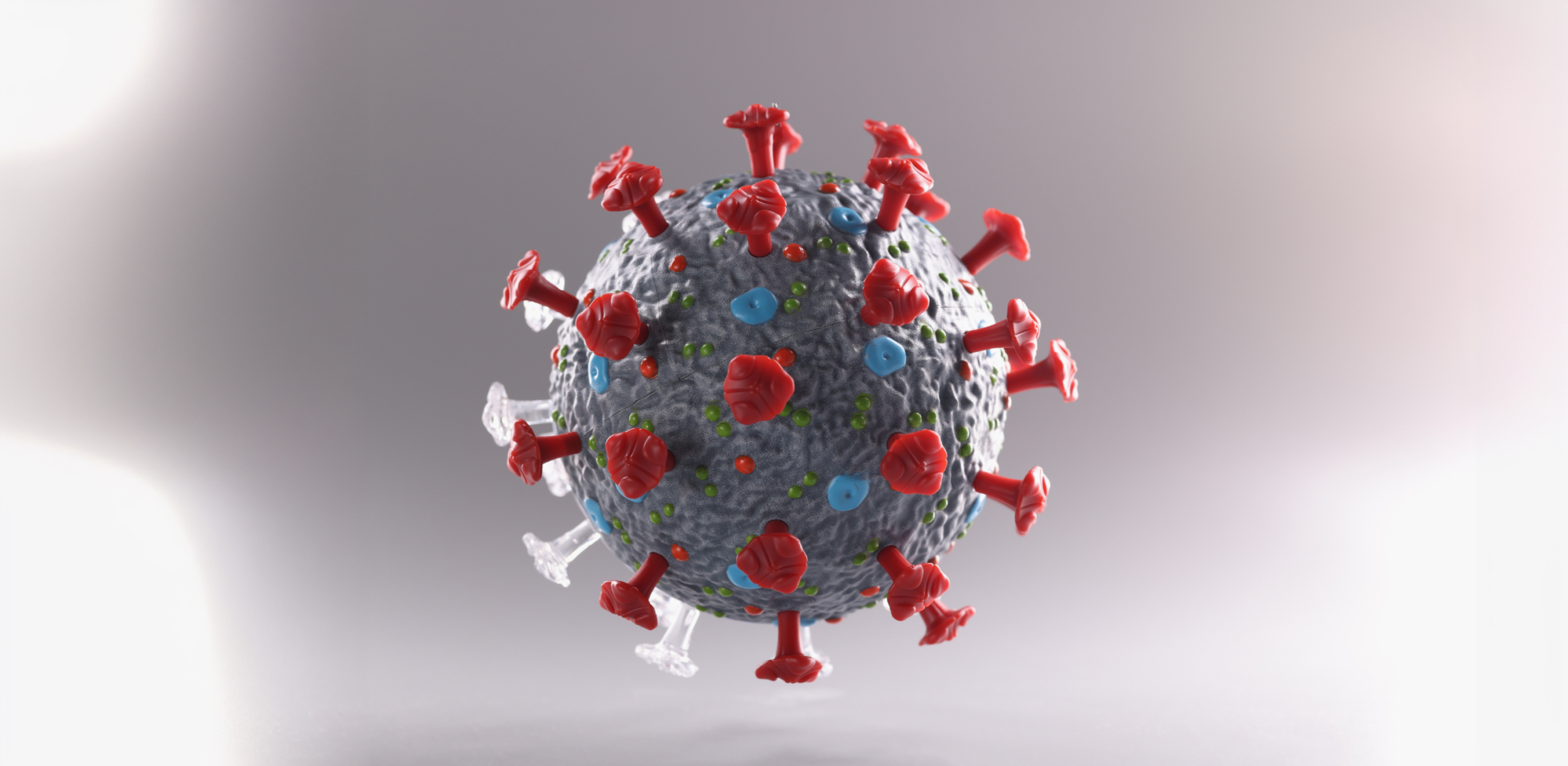
Some research suggests that SARS-CoV-2 spike protein fragments or viral reservoirs may persist in tissues, driving continued immune activation. TPE was hypothesized to remove circulating viral antigens and downstream inflammatory mediators.
Context is Important
TPE should not be considered a standalone treatment for Long-COVID, and should be used for the right patient in the right context. While limited double-blind, randomized trials have shown benefit, but not statistically more than placebo, clinician experience often differs. When TPE is performed as part of an individualize protocol that addresses Long-COVID in the context of co-existing health conditions, toxicities and genetics, positive outcomes with TPE may increase significantly.
Learn more about Therapeutic Plasma Exchange >>
Learn more about Long-COVID >>