
THERAPEUTIC
PLASMA EXCHANGE
for PANS and PANDAS
An Exciting Therapeutic Option for Difficult Syndromes
The Problem and the Numbers
~65%
Average symptom reduction following TPE in clinical studies
Cat II
ASFA guideline indication for TPE in PANDAS exacerbation
80%+
PANS patients showing evidence of autoimmunity or neuroinflammation
3-5
Sessions, with improvement often seen after the first session
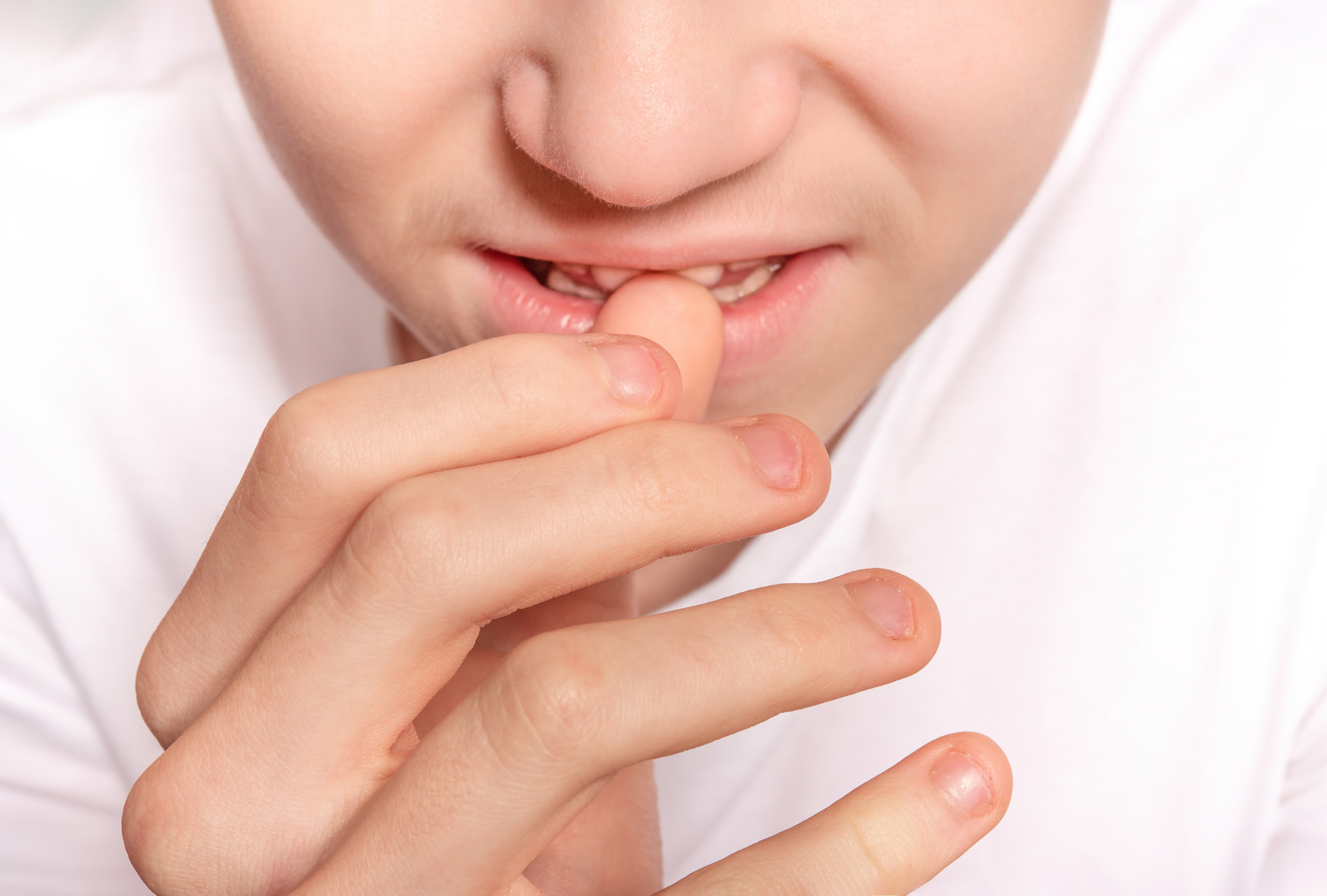
Pediatric Acute-onset Neuropsychiatric Syndrome (PANS) is characterized by the sudden and dramatic onset of obsessive-compulsive disorder (OCD) or severely restricted food intake, accompanied by additional neuropsychiatric symptoms.
When this presentation follows a Group A streptococcal infection, it is classified as PANDAS (Pediatric Autoimmune Neuropsychiatric Disorders Associated with Streptococcal Infections).
The prevailing hypothesis holds that these conditions arise from post-infectious autoimmunity, in which misdirected antibodies cross-react with components of the basal ganglia, producing abrupt changes in behavior, cognition, and motor function.
In clinical cohorts of well-characterized PANS patients, evidence of post-infectious autoimmunity or neuroinflammation has been found in more than 80 percent of cases, underscoring the importance of immunomodulatory treatment strategies, such as TPE.
How and Why Does Therapeutic Plasma Exchange Work?
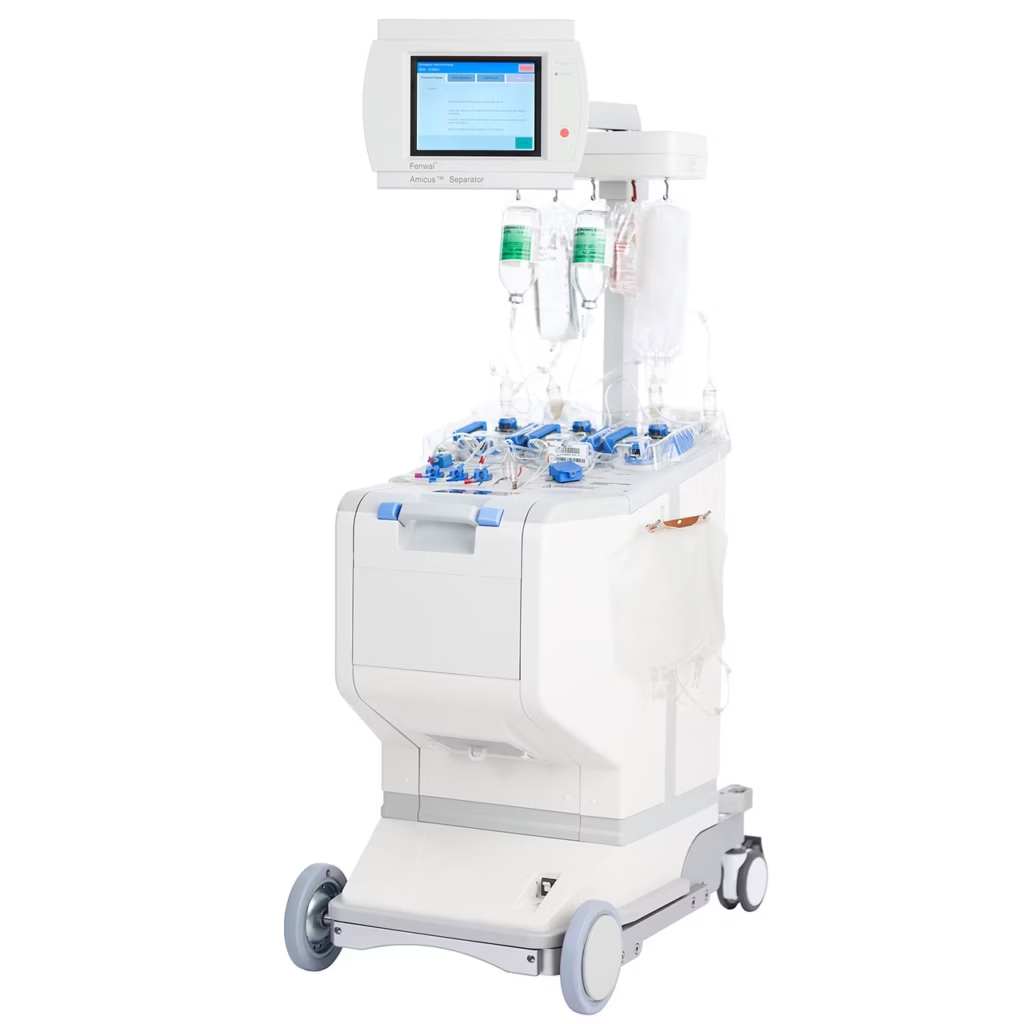
Therapeutic plasma exchange (TPE), also known as plasmapheresis, works by physically removing the plasma component of blood — including the pathogenic autoantibodies believed to drive PANS and PANDAS symptoms — and replacing it with donor albumin solution. By clearing these harmful immune mediators from circulation, TPE can produce rapid and often dramatic clinical improvement.
Research has shown a positive correlation between anti-neuronal antibodies and PANS/PANDAS diagnoses. TPE targets these antibodies directly, offering an intervention at the mechanistic root of the disease process rather than merely managing symptoms. This approach is supported by decades of successful use in other antibody-mediated neurological conditions, including Sydenham chorea, Guillain-Barré syndrome, and autoimmune encephalitis.
For patients with severe, refractory, or life-threatening presentations who have not responded adequately to antibiotics, anti-inflammatory therapies, or corticosteroids, TPE represents an important therapeutic option with a strong — and growing — clinical evidence base.
A Look at the Research
Therapeutic Plasma Exchange for PANS and PANDAS
The Landmark Perlmutter Trial
Perlmutter SJ, Leitman SF, Garvey MA, et al. — The Lancet, 1999
The foundational double-blind, randomized, placebo-controlled trial conducted at the National Institute of Mental Health demonstrated that plasma exchange produced a roughly 65% reduction in OCD symptoms in children with PANDAS, compared to 42% with IVIG and no meaningful change in the placebo group. This study provided the first controlled evidence that immunomodulatory therapy could be effective for infection-triggered neuropsychiatric symptoms and remains one of the most widely cited studies in the field.
35 Severely Ill Children & Adolescents Treated with TPA
Latimer ME, L’Etoile N, Seidlitz J, et al. — Journal of Child and Adolescent Psychopharmacology
This large retrospective case series from Georgetown University Hospital evaluated 35 severely affected children and adolescents treated with therapeutic plasma apheresis between 2009 and 2013. The study confirmed an average reduction of approximately 65% in the severity of obsessions, compulsions, anxiety, and related symptoms. Importantly, it validated a shortened protocol — three 1.5-volume exchanges over 4–5 days — as comparably effective and safer than the longer five-exchange protocol, reducing hospitalization time and complication risk.
TPE in Adolescent & Adult PANDAS/PANS Patients
Prus K, Weidner K, Alquist C — Journal of Clinical Apheresis, 2022
This study investigated 16 late-adolescent and adult PANDAS/PANS patients who received therapeutic plasma exchange, representing one of the first studies to evaluate TPE in patients diagnosed later in life. More than half of the patients with available follow-up showed clinical improvement, with benefits noted as early as 1–10 days after treatment. No adverse reactions to TPE were documented. The study supports TPE as a safe and potentially effective option regardless of age at diagnosis.
A Note on the Evolving Clinical Landscape
The understanding of PANS/PANDAS continues to evolve. The 2017 PANS Research Consortium guidelines, developed by over 30 experts in conjunction with the National Institute of Mental Health, established a severity-based treatment framework incorporating immunomodulatory therapies including TPE. In March 2025, the American Academy of Pediatrics published its first clinical report on PANS, acknowledging the condition and discussing treatment approaches.
Lifespan Health’s clinical approach integrates the best available evidence with individualized patient assessment, and we work collaboratively with families and multidisciplinary specialists to determine the most appropriate treatment pathway.