
therapeutic plasma exchange
An exciting high-level blood filtration technique
Therapeutic Plasma Exchange (TPE), also known as Therapeutic Plasmapheresis has been a powerful tool for treatment of critically-ill patients in hospital settings, for many years. Now the same technology is available to you in an outpatient setting, at Lifespan Health.
TPE is currently being studied for a wide variety of potential benefits, including removal of inflammatory mediators, chemicals, plastics, cellular waste, immune complexes, and other unwanted plasma-based toxins.
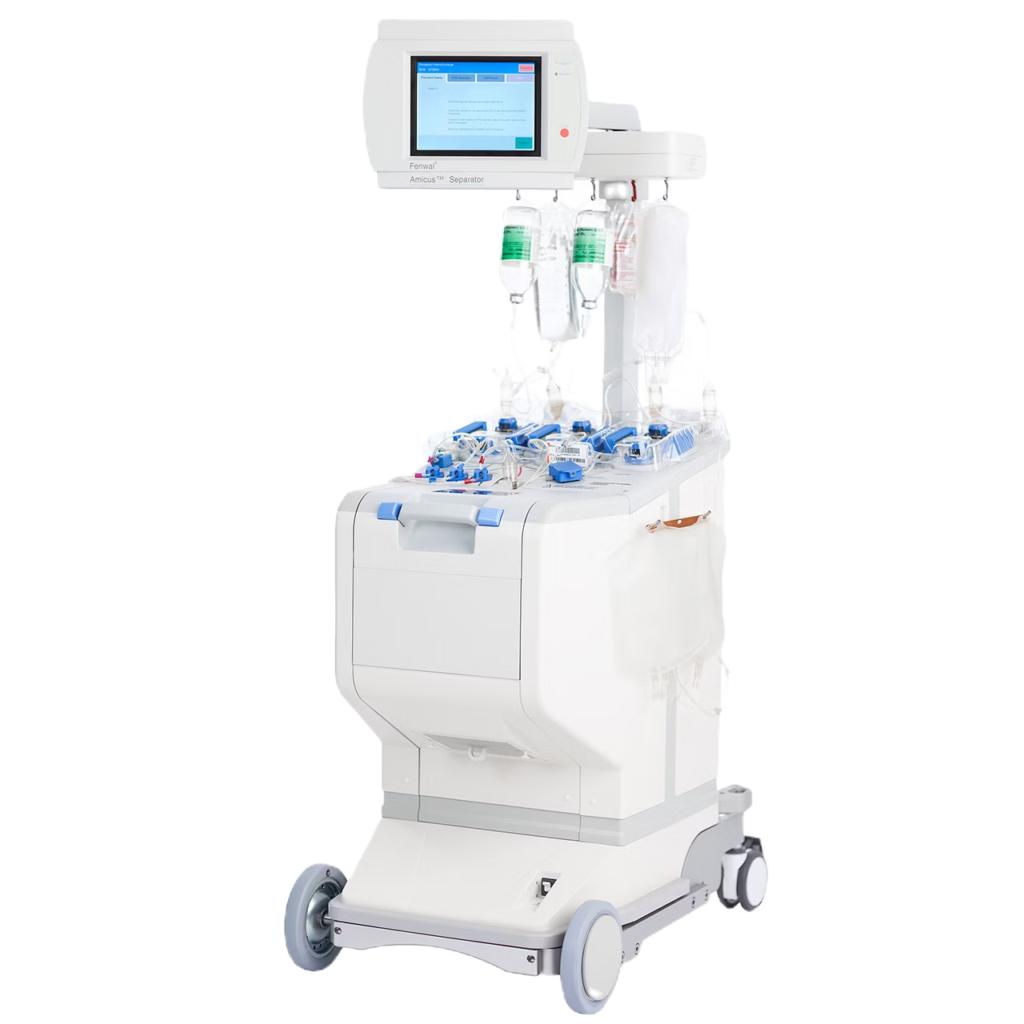
the fresenius-kabi amicus
A hospital-grade blood separation device, now in an outpatient setting.
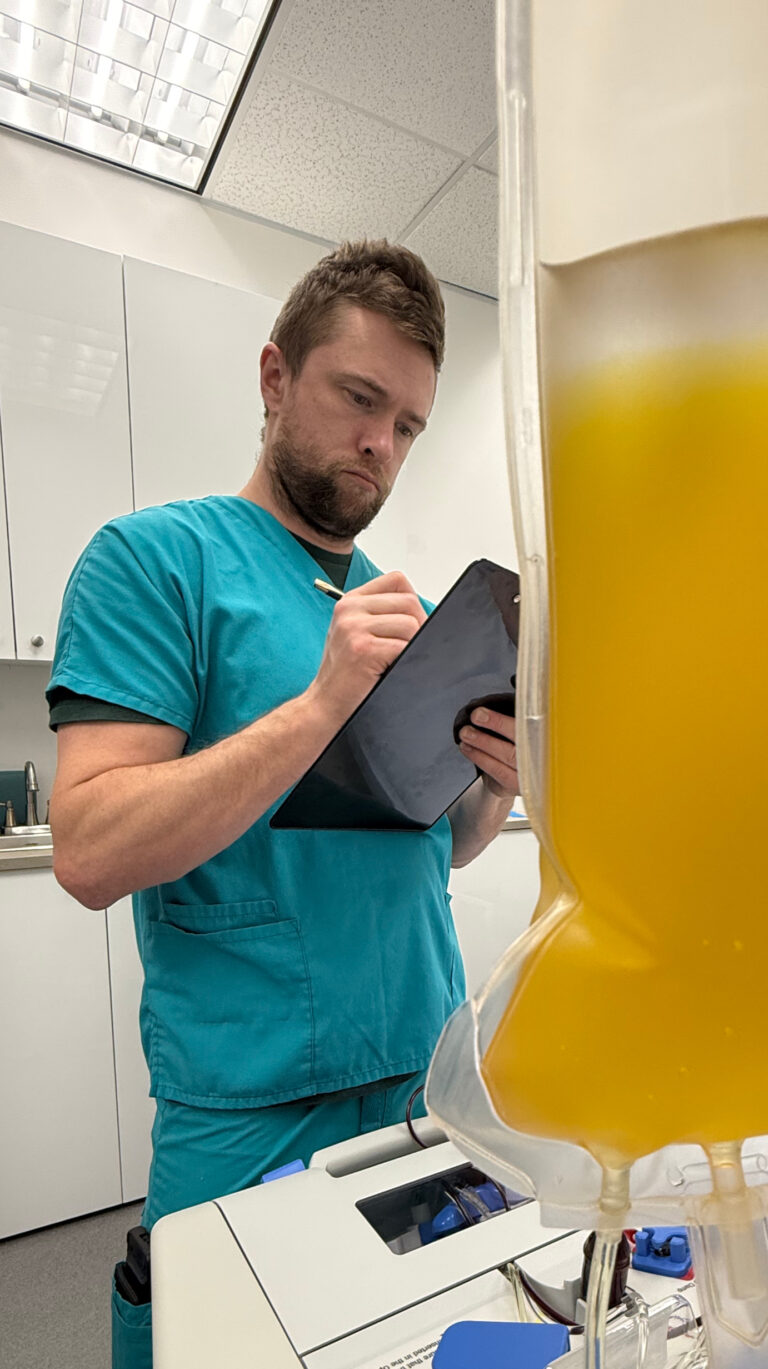
The Process
Therapeutic Plasmapheresis is the cornerstone therapy of comprehensive protocols designed to meet your unique health needs and goals.
Each protocol follows a logical, collaborative, diagnostic and treatment framework:
Assessment
Includes a comprehensive medical history review, physical examination, evaluation of blood biomarkers, measurements of toxins. Then we make specific treatment recommendations, assuring that the plan aligns with your expectations.
Therapeutic Plasma Exchange (TPE)
One or more monthly sessions
Nutrient Support
Utilizing a combination of oral and IV nutrients, specifically designed to augment your TPE procedures, and achieve the very best results.
The Protocols
detoxification
Comprehensive removal of plasma and protein-bound toxins, inflammatory cytokines, immune complexes…
1) consultation
In-depth appointment with Dr. Rawson, with a focus on toxin exposures and chronic symptoms.
2) Testing
Comprehensive Toxin Testing
Metabolic Biomarkers
Complete Blood Count
3) procedure
Therapeutic Plasma Exchange
Post-procedure Nutrient Repletion Infusion
Vitamin D3 Injection
4) at-home
Continue high-dose nutrient support to optimize each TPE session. Specific formulations chosen to address your particular needs
5) Follow-up
Review of symptom improvements.
Comprehensive toxin re-testing
Guidance for a toxin-controlled home/work
chronic fatigue
Eliminate toxins and inflammatory compounds contributing to chronic fatigue
1) consultation
Comprehensive evaluation of medical history, past treatments
2) testing
Comprehensive Toxin Testing
Metabolic Biomarkers
Complete Blood Count
Genome evaluation
Patient-specific specialty tests
3) procedure
Therapeutic Plasma Exchange
Post-procedure Nutrient Repletion Infusion
Vitamin D3 Injection
4) At-home
Continue high-dose nutrient support to optimize each TPE session. Specific formulations chosen to address your particular needs
5) follow-up
Review of symptom improvements.
Comprehensive toxin re-testing
Guidance for a toxin-controlled home/work
health optimization
Optimize your the “terrain” of your body by removing performance-limiting toxins and inflammatory compounds
1) consultation
Comprehensive discussion of health optimization, performance and longevity goals. Recommendations for adjunct therapies to complement TPE.
2) testing
Comprehensive Toxin Testing
Metabolic Biomarkers
Complete Blood Count
3) procedure
Therapeutic Plasma Exchange
Post-procedure Nutrient Repletion Infusion
Vitamin D3 Injection
4) At-Home
High-dose nutrient support, designed to optimize all aspects and levels of cellular and systems health.
5) Follow-up
Review of symptom improvements.
Comprehensive toxin re-testing
Guidance for a toxin-controlled home/work
Additional health optimization considerations.

Questions and Answers
Resources