
The Silent Fire in Your Brain: Neuroinflammation
The Silent Fire in Your Brain: Neuroinflammation
Complex Chronic Illness, and the Advanced Therapies That Can Help Your Brain and Your Body Heal
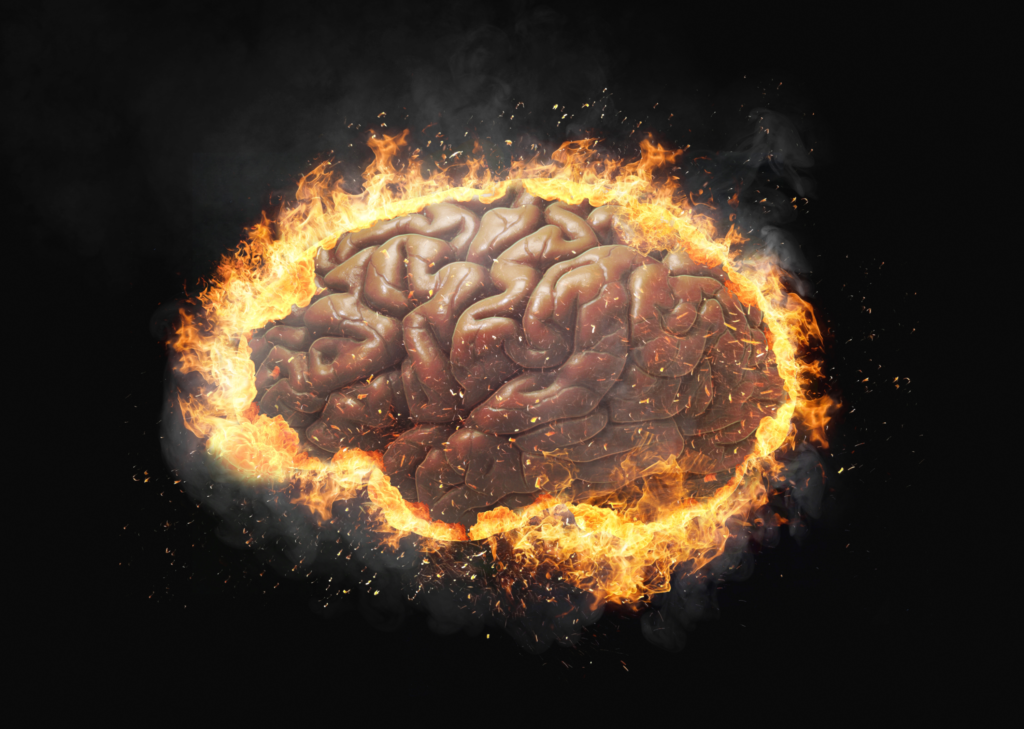
Have you ever felt like your brain just isn’t firing on all cylinders? Maybe it’s the afternoon fog that won’t lift, the word that sits stubbornly on the tip of your tongue, or that low-grade anxiety humming in the background of your day. Maybe it’s worse than that—debilitating fatigue, sudden personality changes in your child, mood swings that feel chemical rather than circumstantial, or symptoms that have stumped multiple specialists.
Before you chalk it up to “just getting older,” “stress,” or “all in your head,” there’s something important you should know: your brain might be quietly—or not so quietly—inflamed.
Welcome to the world of neuroinflammation—one of the most underappreciated drivers of complex chronic illness. Addressing neuroinflammation requires combining cutting-edge functional medicine with advanced therapeutic modalities that simply aren’t available in most clinical settings.
What Is Neuroinflammation, Exactly?
Inflammation is your body’s natural response to threat. When you sprain an ankle, the swelling and redness are signs that your immune system is rushing in to repair damage. That’s acute inflammation, and it’s a beautiful, life-saving process.
But your brain has its own immune system, governed largely by specialized cells called microglia. Think of microglia as the brain’s security detail—patrolling, surveying, and responding to anything that looks suspicious. When they detect a threat (a virus, a toxin, a head injury, a stealth infection), they switch into an activated state and release inflammatory chemicals to neutralize the danger.
The problem? Once microglia are activated, they often get stuck in the “on” position—a phenomenon researchers call microglial priming. Each subsequent insult—a viral illness, a moldy apartment, a concussion, a stressful season—provokes a bigger, more damaging inflammatory response than the last. The result is chronic neuroinflammation: a slow-burning fire that damages neurons, disrupts neurotransmitter balance, weakens the blood-brain barrier, and impairs the brain’s ability to function and heal.
This is a unifying mechanism behind many of the most challenging conditions we see in functional medicine practice today.
Why Conventional Medicine Often Misses It
Here’s the frustrating part: there’s no simple blood test your primary care provider can order to diagnose neuroinflammation. Patients with conditions like long COVID, chronic Lyme, mold illness, and PANS are often dismissed, gaslit, or shuffled between specialists for years before receiving meaningful answers. Standard labs come back “normal.” Brain scans look fine. And yet the suffering is very real.
Functional medicine takes a different approach. Rather than waiting for measurable disease to appear, we look upstream at the root causes of immune dysregulation and inflammation—and we recognize that the brain is often ground zero for the damage.
The Major Drivers of Neuroinflammation
While neuroinflammation can stem from everyday stressors like poor diet and sleep deprivation, it most dramatically shows up in specific, often-overlapping conditions.
🦠 Long COVID and Post-Viral Syndromes
Since 2020, clinicians have witnessed an explosion of patients experiencing brain fog, fatigue, dysautonomia, mood changes, and cognitive decline weeks or months after a SARS-CoV-2 infection. Research now confirms that COVID can cause persistent neuroinflammation through microglial activation, blood-brain barrier disruption, autoimmunity, microclotting, and reactivation of latent viruses like Epstein-Barr (EBV) and HHV-6.
🍄 Mold Illness (CIRS)
Exposure to water-damaged buildings can trigger Chronic Inflammatory Response Syndrome (CIRS) in genetically susceptible individuals. Mycotoxins are profoundly neurotoxic—damaging mitochondria, the blood-brain barrier, and provoking aggressive microglial activation. Symptoms include severe brain fog, profound fatigue, executive dysfunction, anxiety, depression, headaches, vertigo, and sensory sensitivities.
Read more about Mold Illness >>
🕷️ Lyme Disease and Tickborne Infections
Borrelia burgdorferi and its co-infections—Babesia, Bartonella, Ehrlichia, Mycoplasma—are masters of immune evasion. Bartonella in particular is increasingly recognized as a major neuroinflammatory pathogen, often presenting with rage, OCD, depression, anxiety, and even psychosis—mimicking primary psychiatric illness.
Read more about Lyme Disease >>
🧠 Traumatic Brain Injury and Concussion
Even a single concussion can prime microglia to remain hyperactive for years. Post-concussion syndrome—with its lingering brain fog, mood changes, sleep disruption, and headaches—is fundamentally a neuroinflammatory disorder. Repeated head impacts dramatically increase the risk for later neurodegenerative disease.
👧 PANS and PANDAS
In PANDAS and PANS, an infection (strep, mycoplasma, Lyme, Bartonella, or viruses) triggers antibodies that cross-react with brain tissue—particularly the basal ganglia—causing sudden-onset OCD, tics, anxiety, food restriction, regression, or even psychosis in previously healthy children. It is real, treatable, and frequently misdiagnosed.
🛡️ Autoimmune Encephalitis and Brain-Reactive Antibodies
In autoimmune encephalitis, the immune system produces antibodies that attack specific brain receptors, causing dramatic neurological and psychiatric symptoms. Subclinical autoimmune neuroinflammation is far more common than recognized—and often underlies “treatment-resistant” depression, anxiety, OCD, and unexplained cognitive decline.
🧬 Mast Cell Activation Syndrome (MCAS)
MCAS often travels alongside long COVID, mold illness, and tickborne disease. Activated mast cells release histamine and inflammatory cytokines that drive anxiety, insomnia, brain fog, and sensory hypersensitivity.
The Common Thread: Total Body Burden
These conditions rarely exist in isolation. A patient with long COVID often turns out to have reactivated EBV, mold colonization, undiagnosed Bartonella, and a forgotten concussion. A child with PANDAS may live in a water-damaged home with a parent who has unrecognized Lyme. The triggers stack, the immune system becomes dysregulated, and the brain pays the price.
This concept—total body burden—is central to functional medicine. We don’t chase one diagnosis; we map every contributor and lighten the load systematically.
The Consequences: Why This Matters
Neuroinflammation isn’t abstract. It shows up as brain fog, memory loss, depression, anxiety, OCD, rage, chronic fatigue, post-exertional malaise, headaches, insomnia, dysautonomia (POTS), sensory hypersensitivity, tics, sudden personality changes, and treatment-resistant psychiatric symptoms. Long-term, untreated neuroinflammation is also implicated in Alzheimer’s, Parkinson’s, MS, ALS, and accelerated cognitive decline.
The earlier we intervene, the more resilient and recoverable the brain remains.
Advanced Therapies for Putting Out the Fire
What truly moves the needle in complex neuroinflammatory illness is the ability to combine root-cause functional medicine with advanced therapeutic modalities that directly address neuroinflammation at multiple levels—often producing results that aren’t achievable through diet, supplements, and oral medications alone.
Here are some of the powerful tools available for putting out the fire.
🩸 Therapeutic Plasma Exchange (TPE)
Therapeutic Plasma Exchange is one of the most powerful tools available for severe, treatment-resistant neuroinflammation. During TPE, a patient’s plasma—the liquid portion of the blood that carries inflammatory cytokines, autoantibodies, microclots, spike protein, mycotoxins, and other inflammatory mediators—is removed and replaced with clean replacement fluid (typically albumin).
The result is a dramatic, immediate reduction in inflammatory burden. TPE has produced remarkable improvements in patients with:
- Long COVID (clearing spike protein, microclots, and inflammatory cytokines)
- Autoimmune encephalitis and brain-reactive antibodies
- Severe PANS/PANDAS (removing pathogenic antibodies)
- Chronic Lyme and mold illness with autoimmune features
- Treatment-resistant neuropsychiatric symptoms
For many patients, TPE is the “reset button” that finally allows other therapies to work. It’s particularly valuable when the inflammatory load is so high that the body simply cannot keep up.
Read more about Therapeutic Plasma Exchange >>
💧 Comprehensive IV Therapy
The intravenous route bypasses the gut—which is often compromised in these patients—delivering therapeutic doses of nutrients and compounds directly to the bloodstream and the brain. A robust IV menu for the complex neuroinflammatory patient may include:
- High-dose IV Vitamin C – powerful antioxidant, antiviral, and immune modulator
- Glutathione (IV and push) – the brain’s master antioxidant; essential for detoxification, mitochondrial protection, and resolving oxidative damage
- Phosphatidylcholine (PC) IVs – repair neuronal and mitochondrial membranes; particularly transformative for mold, Lyme, and post-concussion patients
- NAD+ IVs – restore mitochondrial function, support neuronal repair, enhance cognition, and reduce neuroinflammation
- Myers’ cocktails and customized nutrient infusions – correct deficiencies that fuel inflammation
- Methylene blue infusions – mitochondrial support, neuroprotection, antimicrobial effects
- Alpha-lipoic acid (ALA) – crosses the blood-brain barrier; potent antioxidant and detoxification cofactor
- IV amino acids and minerals – support neurotransmitter production and cellular repair
These can be sequenced and stacked strategically—for example, a patient might receive PC + glutathione + NAD+ + methylene blue in a tailored protocol designed for their specific condition.
🌬️ Hyperbaric Oxygen Therapy (HBOT)
Hyperbaric Oxygen Therapy involves breathing 100% oxygen inside a pressurized chamber, dramatically increasing the amount of oxygen dissolved in the plasma and delivered to oxygen-starved tissues—including the brain. HBOT is one of the most well-studied and effective therapies for neuroinflammation, with documented benefits for:
- Concussion and traumatic brain injury (acute and chronic)
- Long COVID brain fog and fatigue
- Stroke recovery
- Lyme neuroborreliosis
- Mold-related cognitive dysfunction
- PANS/PANDAS
- Neurodegenerative disease prevention
HBOT works on multiple levels: it reduces inflammation, downregulates overactive microglia, stimulates stem cell production, promotes angiogenesis (new blood vessel formation), enhances mitochondrial function, and supports neurogenesis. It is often described as “fertilizer for the brain”—and for many patients, it’s a game-changer.
🌀 Ozone Therapy (in its many forms)
Ozone therapy is a remarkably versatile tool for addressing the underlying drivers of neuroinflammation: chronic infection, oxidative stress, mitochondrial dysfunction, and immune dysregulation. The full spectrum of ozone modalities includes:
- Major Autohemotherapy (MAH) – blood is drawn, mixed with ozone, and reinfused; powerful for chronic infections, immune modulation, and oxygenation
- 10-Pass / High-Dose Ozone – delivers significantly higher therapeutic doses for severe chronic illness
- Extracorporeal Blood Oxygenation and Ozonation (EBOO) – essentially “dialysis with ozone,” filtering and ozonating large volumes of blood; remarkable for chronic infections, mold, and inflammatory burden
- Rectal, vaginal, ear, and dental ozone insufflations – for targeted regional therapy
- Ozonated oils for topical use
Ozone’s mechanisms include direct antimicrobial action (against viruses, bacteria, fungi, and biofilms), upregulation of antioxidant defenses (Nrf2 pathway), mitochondrial enhancement, and immune modulation. It is one of the most cost-effective and broadly useful therapies in integrative medicine.
Read more about ozone therapies >>
🔴 Red Light Therapy (Photobiomodulation)
Red and near-infrared light penetrate tissue and stimulate mitochondrial cytochrome c oxidase, increasing ATP production and reducing oxidative stress. Transcranial photobiomodulation—applying red/near-infrared light directly to the head—has emerging evidence for:
- Reducing neuroinflammation
- Improving cognitive function
- Supporting recovery from concussion and TBI
- Easing depression and anxiety
- Enhancing sleep quality
- Stimulating neurogenesis
Photobiomodulation works beautifully as both a stand-alone therapy and a powerful adjunct to HBOT, IV therapy, and other modalities. It’s gentle, non-invasive, and remarkably effective.
💊 Targeted Pharmaceuticals
When clinically appropriate, carefully selected pharmaceutical agents are often integrated into the plan:
- Low-Dose Naltrexone (LDN) – modulates microglia, reduces neuroinflammation, supports immune balance; widely used for long COVID, Lyme, autoimmune disease, and CIRS
- Antimicrobials – targeted antibiotics, antivirals, and antifungals for confirmed infections
- Cholestyramine and Welchol – binders for mold mycotoxins
- Anticoagulants and fibrinolytics – for microclotting, particularly in long COVID
- IVIG (intravenous immunoglobulin) – for autoimmune encephalitis, severe PANS/PANDAS, and immune deficiency
- Peptide therapies – BPC-157, thymosin alpha-1, thymosin beta-4, selank, semax, and others for tissue repair, immune modulation, and direct neuroregeneration
- GLP-1 agonists – emerging evidence for neuroinflammation and cognitive benefit
Pharmaceuticals are never used in isolation. They are layered into a comprehensive plan that includes detoxification support, gut healing, lifestyle interventions, and the advanced modalities described above.
A Strategic, Sequenced Approach
The art of treating neuroinflammation is in the sequencing. Aggressive antimicrobial treatment in a patient whose detox pathways aren’t open is a recipe for a disaster of a Herxheimer reaction. High-dose ozone in a patient with severe MCAS can backfire. TPE without follow-up support can offer temporary relief without lasting change.
Effective care follows an individualized roadmap that typically includes:
- Assess – comprehensive testing for infections, toxins, autoimmunity, mitochondrial function, and inflammatory markers
- Stabilize – calm mast cells, regulate the nervous system, address acute symptoms
- Open drainage and detox pathways – before mobilizing toxins or killing pathogens
- Reduce inflammatory load – TPE, IV therapy, HBOT, ozone, photobiomodulation
- Treat the root causes – infections, toxins, autoimmunity
- Repair and regenerate – peptides, NAD+, PC, lifestyle, brain training
- Maintain resilience – ongoing support to prevent relapse
A Word of Hope
If you’ve been reading this and seeing yourself—or your child—in these descriptions, please take heart. These conditions are real, complex, and historically underrecognized. But they are also treatable.
Patients with long COVID recover. Children with PANDAS regain themselves. People who have lived in mold for years can reclaim their cognitive sharpness. Lyme patients return to vibrant lives. Concussion symptoms resolve. The brain is remarkably pliable and capable of profound healing when given the right inputs, the right therapies, at the right time.
What’s required is a clinical team that understands the full picture, has access to the advanced tools that can move the needle, and has the experience to combine them safely and effectively.
The path forward isn’t a quick fix—it’s a sophisticated, science-informed, deeply personalized journey. And for those who walk it with the right support, the destination is genuine healing.
This blog post is for educational purposes and is not intended as medical advice. Treatments described are not appropriate for every patient and require thorough clinical evaluation. To learn whether these therapies might be right for you or a loved one, contact a qualified functional medicine practitioner with experience in advanced integrative therapies.
