
Lyme Disease
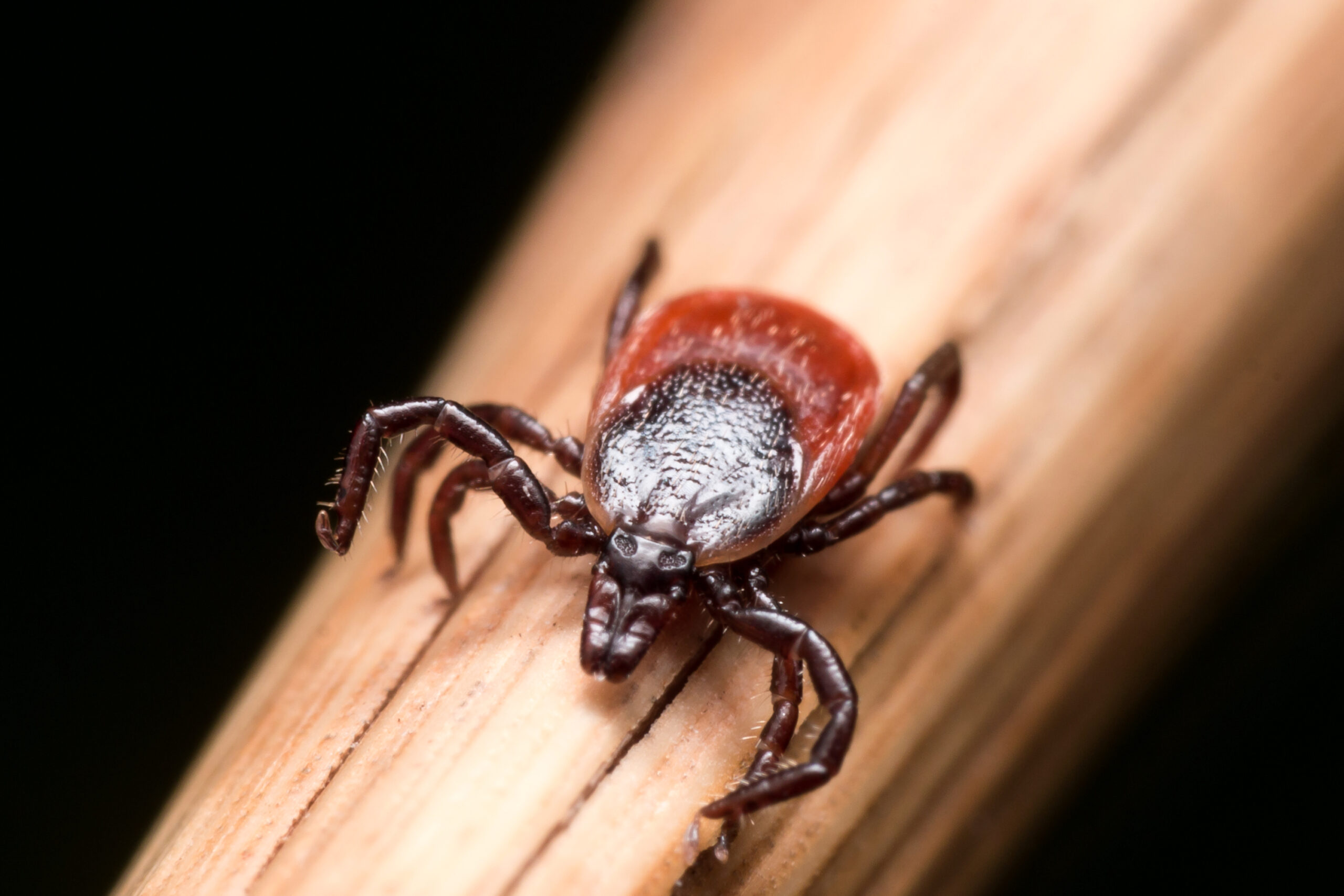
Months or years after an initial Lyme infection, many patients continue to experience debilitating symptoms. You deserve a thorough investigation — not dismissal.
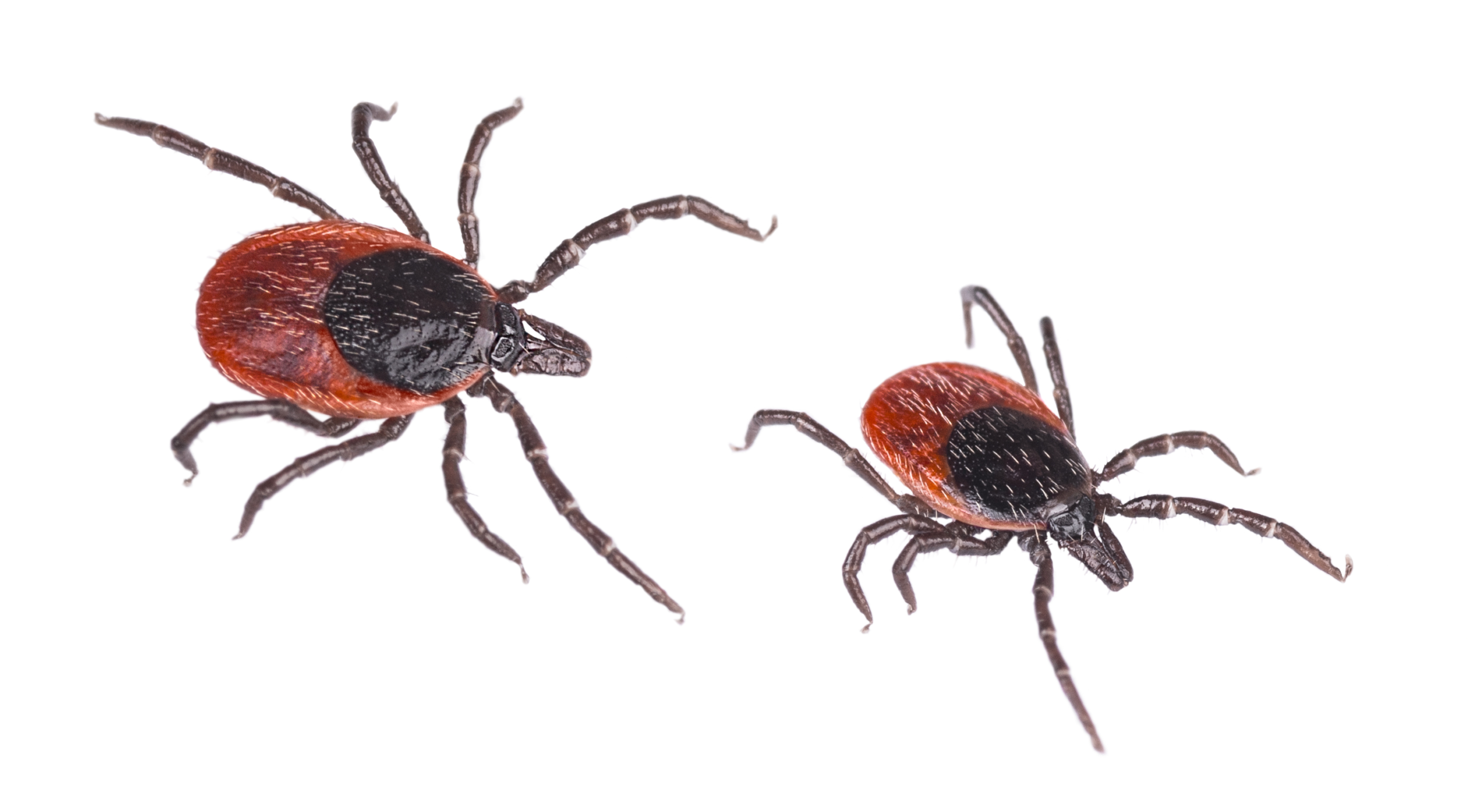
Beyond the Bulls-eye Rash
When Lyme disease becomes chronic
Lyme disease is caused by Borrelia burgdorferi, a spirochetal bacterium transmitted primarily by Ixodes ticks. In its chronic form — often called Post-Treatment Lyme Disease Syndrome (PTLDS) — it can affect virtually every organ system in the body.
The persistence problem. Unlike many bacterial infections, Borrelia is a highly sophisticated pathogen capable of forming biofilms, shifting between active and dormant cyst forms, and evading immune detection. This biological complexity is a central reason why symptoms can persist long after a standard course of antibiotics.
Immune dysregulation. Chronic tickborne illness frequently involves an abnormal immune response — one that may perpetuate inflammation even after microbial burden is reduced. Cytokine imbalances, autoimmune cross-reactivity, and mast cell activation are common findings in this population.
A functional medicine lens. At Lifespan Health, we investigate the full clinical picture: infectious burden, inflammatory pathways, hormonal and mitochondrial function, gut health, toxin load, and nervous system regulation. This allows us to create a personalized map of what is driving your symptoms — and where intervention can make the greatest difference.
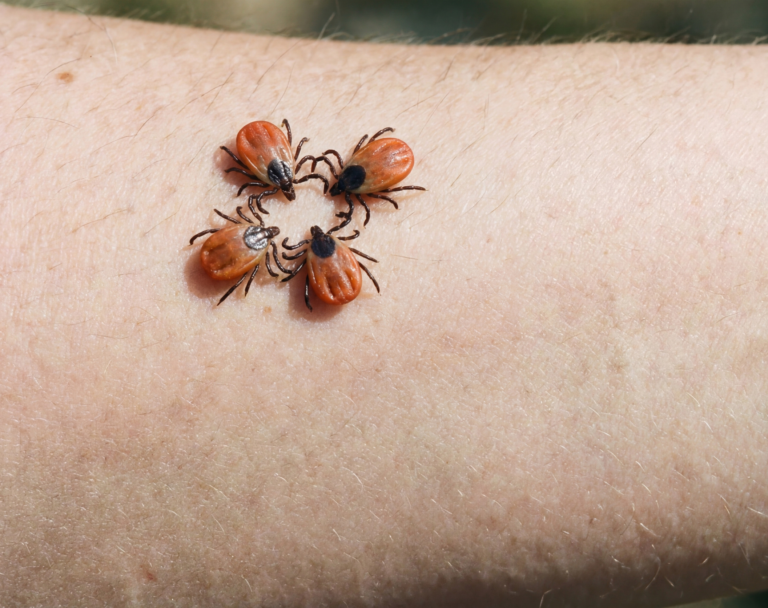
the tickborne co-infections
It’s not JUST Lyme disease…
The average tick harbors multiple infectious organisms, ready to transmit to you. Oftern, where there is Borrelia (Lyme), there are others–which can cause chronic infections as well. These include…

Borrelia, Bartonella, Babesia…
Mechanisms of disease
Lyme disease is caused by Borrelia burgdorferi, a spirochetal bacterium transmitted primarily by Ixodes ticks. In its chronic form — often called Post-Treatment Lyme Disease Syndrome (PTLDS) — it can affect virtually every organ system in the body.
The persistence problem. Unlike many bacterial infections, Borrelia is a highly sophisticated pathogen capable of forming biofilms, shifting between active and dormant cyst forms, and evading immune detection. This biological complexity is a central reason why symptoms can persist long after a standard course of antibiotics.
Immune dysregulation. Chronic tickborne illness frequently involves an abnormal immune response — one that may perpetuate inflammation even after microbial burden is reduced. Cytokine imbalances, autoimmune cross-reactivity, and mast cell activation are common findings in this population.
A functional medicine lens. At Lifespan Health, we investigate the full clinical picture: infectious burden, inflammatory pathways, hormonal and mitochondrial function, gut health, toxin load, and nervous system regulation. This allows us to create a personalized map of what is driving your symptoms — and where intervention can make the greatest difference.
Lifespan Health’s Clinical Approach
Treating the whole person, not just the pathogens
Functional medicine does not offer a single protocol for chronic Lyme. We build individualized plans based on a deep understanding of your unique biology, history, and circumstances.

Comprehensive intake & timeline mapping
We dedicate significant time to your story. A detailed illness timeline, symptom pattern analysis, and review of prior records helps us identify the sequence of events that led to your current state — and the leverage points for recovery.