
chelation
The word “chelation” derives from the Greek chele, meaning “claw.” Chelation therapy uses specialized compounds that grip toxic metal ions in the body, forming stable complexes that can be safely excreted — primarily through the urine and bile.
Detoxing heavy metals
What is Chelation Therapy?
Chelation therapy is a medical procedure in which chelating agents are administered to bind heavy metals circulating in the blood and stored in tissues. Once bound, these metal-chelator complexes become water-soluble and are eliminated through the kidneys. The approach has been used in clinical toxicology since the 1940s, when ethylenediaminetetraacetic acid (EDTA) was first introduced for the treatment of lead poisoning.
In functional and integrative medicine, chelation therapy is used as part of a broader detoxification strategy for patients who show evidence of chronic low-level heavy metal accumulation. Sources of exposure include dental amalgams, contaminated food and water, occupational environments, and even medical procedures such as contrast-enhanced MRI scans.
Several chelating agents are available today, each with different affinities for specific metals, routes of administration, and safety profiles. The choice of agent depends on the particular metals identified, the patient’s clinical picture, kidney function, and treatment goals.
Health Effects of Toxic Metals
Toxic metals accumulate in the body over time, disrupting enzyme function, generating oxidative stress, damaging DNA, and impairing organ systems. Even chronic low-level exposure can contribute to a wide spectrum of symptoms and diseases.
The most well-studied toxic metals include lead, mercury, arsenic, cadmium, and chromium. These metals induce toxicity through common pathways — particularly the generation of reactive oxygen species (ROS), suppression of antioxidant defenses, and interference with cellular signaling and repair. Long-term accumulation has been associated with neurological decline, cardiovascular disease, kidney damage, immune dysfunction, and increased cancer risk.
Neurological
Cognitive decline, memory loss, brain fog, peripheral nerve pain, tremors, mood disturbances, and impaired concentration. Lead, gadolinium, and mercury are especially neurotoxic.
Cardiovascular
Hypertension, atherosclerosis, blood vessel wall damage, and increased oxidative burden on the vascular system. Lead and cadmium are strongly linked to cardiovascular disease.
Renal
Kidney tubular damage, progressive decline in kidney function, and impaired filtration. Cadmium is particularly nephrotoxic, accumulating in the renal cortex over decades.

Skeletal
Bone demineralization, osteoporosis, joint pain, and impaired calcium metabolism. Lead is stored in bone and can be released during periods of increased bone turnover.
Immune
Suppression of natural killer cell activity, altered cytokine profiles, increased susceptibility to infections, and autoimmune activation.
Cellular & Genomic
DNA damage, impaired repair mechanisms, gene instability, and increased carcinogenic risk. Arsenic, cadmium, and chromium are classified as human carcinogens.
About the Toxic Metals…
SOURCES: Older paints, water pipes, industrial emissions, contaminated soil, some imported goods
HEALTH EFFECTS: Neurodevelopmental damage (especially in children), anemia, kidney damage, hypertension, reproductive dysfunction, cognitive decline
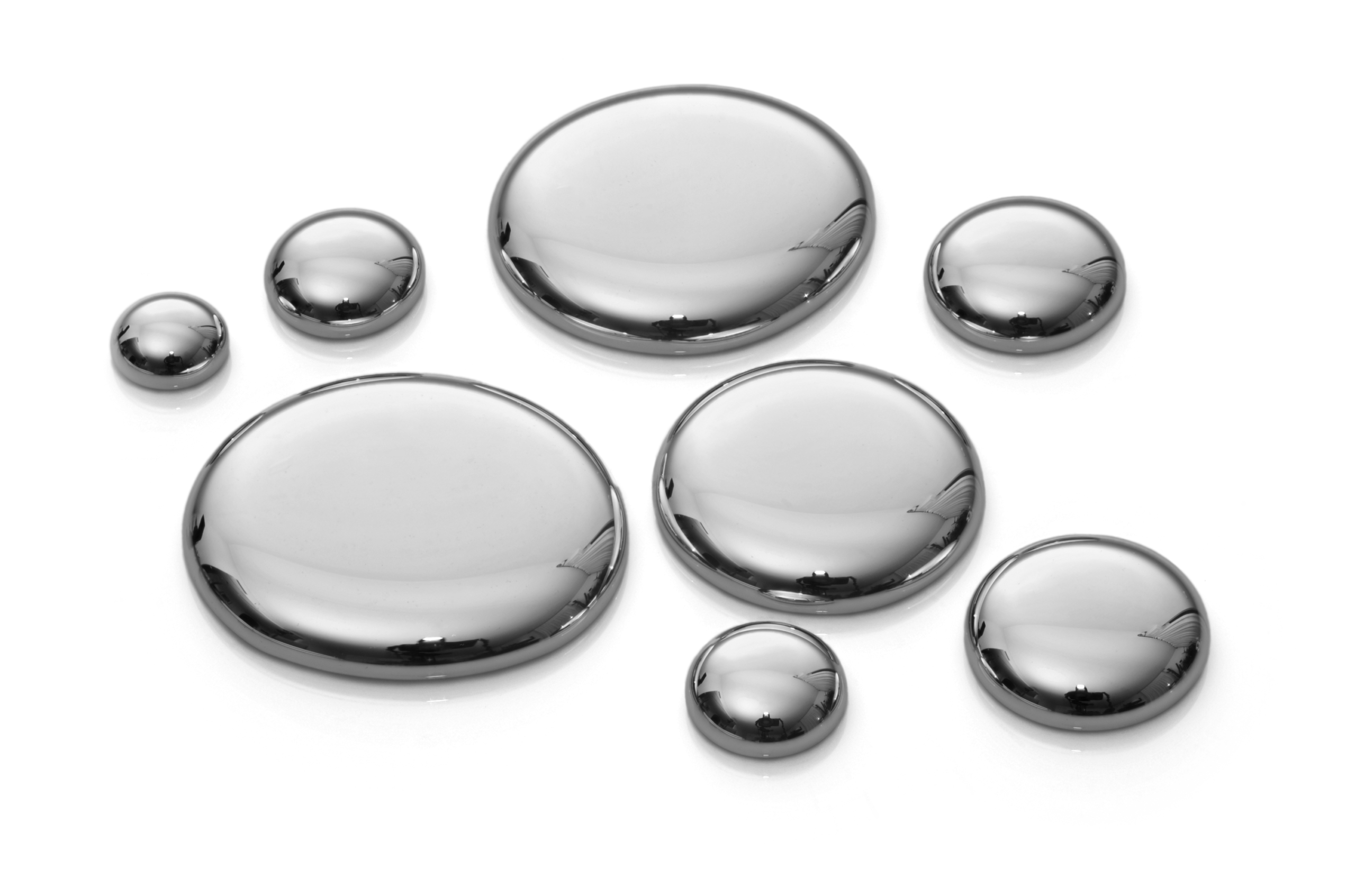
SOURCES: Dental amalgams, large predatory fish, broken thermometers, industrial processes, some vaccines (thimerosal)
HEALTH EFFECTS: Neurological dysfunction, tremors, memory impairment, kidney damage, immune disruption, GI distress, peripheral neuropathy
SOURCES: Contaminated groundwater, rice and grains, pesticides, treated wood, industrial waste
HEALTH EFFECTS: Skin lesions, peripheral neuropathy, cardiovascular disease, diabetes, liver damage, and increased risk of bladder, lung, and skin cancers
SOURCES: Cigarette smoke, contaminated food crops, batteries, metal plating, phosphate fertilizers
HEALTH EFFECTS: Renal tubular damage, bone demineralization (itai-itai disease), lung disease, and carcinogenicity (lung and prostate cancers)
SOURCES: MRI contrast agents (gadolinium-based contrast agents, or GBCAs)
HEALTH EFFECTS: Gadolinium deposition disease (GDD): burning skin pain, brain fog, bone pain, muscle fasciculations, fatigue, nephrogenic systemic fibrosis in renal impairment
Learn more about GDD >>
Oral vs IV Chelation
Chelation agents can be administered orally or intravenously, each approach offering distinct advantages depending on the clinical situation, the metals involved, and the patient’s needs.
At Lifespan Health, we often use a combined approach — beginning with IV chelation for initial detoxification, then transitioning to oral chelation for maintenance–or even using a combined oral and IV program from the start. Protocols are individualized based on provocation testing results, the specific metals involved, and the patient’s kidney function and overall health status.
IV Chelation
IV chelation delivers the chelating agent directly into the bloodstream, providing rapid distribution and higher bioavailability. Treatments are conducted in a clinical setting under direct medical supervision, typically over one to three hours per session.
Oral Chelation
Oral chelating agents are taken by mouth — typically in capsule form — and are absorbed through the gastrointestinal tract. They are convenient, can be self-administered at home, and are well-suited for long-term treatment protocols addressing chronic, low-level metal burdens.
Testing and Assessment
Identifying which toxic metals are present — and at what levels — is the foundation of any effective chelation protocol.
Provocation (Challenge) Testing
A provoked urine test is one of the most widely used methods in functional medicine for assessing the body’s total metal burden. A chelating agent is administered (either orally or intravenously), and urine is then collected — typically for 6 to 24 hours. The chelator mobilizes metals from tissue storage, resulting in elevated urinary excretion that reveals metals that would not appear on a standard unprovoked urine test. DMPS is commonly used for mercury assessment, while CaEDTA or DMSA may be used for lead and multi-metal screening.
Other Testing Methods
Additional evaluation tools include whole blood testing (useful for recent or ongoing exposure), hair mineral analysis (easy to perform but results can be challenging to interpret), and spectrophotometric testing for intracellular mineral and metal levels. Each method has strengths and limitations, and practitioners often combine multiple approaches to build a complete clinical picture.
Retesting During Treatment
Retesting at intervals throughout the chelation course is essential to monitor progress, adjust agent selection and dosing, and confirm adequate mineral repletion. Most practitioners retest after every 6–10 IV sessions or at similar intervals during oral chelation protocols.